
Describe who loses access to an existing toilet
A work crew unable to enter an occupied home has a different arrangement from guests supplementing a venue's open restrooms. State which facilities users may actually enter and when they cease to be available. Do not count an indoor option simply because the building has one.
Specify washing and essential features separately
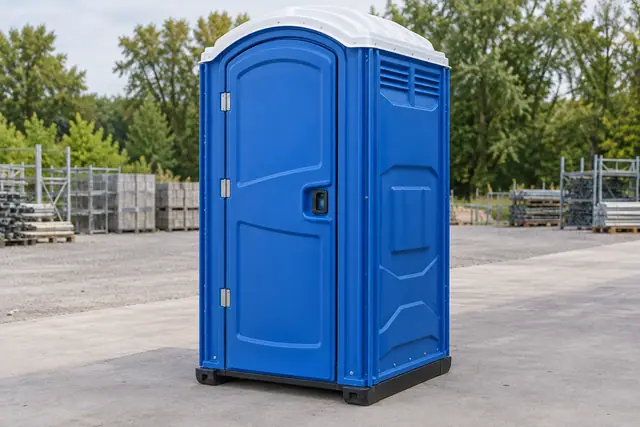
Ask what supplies and features come with the proposed cabin. If washing, lighting or a particular entrance arrangement is necessary, say so explicitly. Hand sanitizer is not the same description as a handwashing station, and a familiar-looking unit may not have the features you expect.
Agree how the unit will be identified
Tell the receiving person which rental and position have been confirmed. On a property with other temporary toilets, a clear location description helps users and the service contact distinguish the correct equipment. Do not redirect visitors to another group's facility without agreement.
Keep the use instructions valid until removal
Clarify when the unit is intended to remain available and how a problem should be reported. If it must be taken out of use, obtain a usable alternative through the responsible contact and change directions accordingly. A collection request is not evidence that the equipment has already left.
Questions before you book
Does standard mean a sink is included?
Ask about the exact proposal. Specify washing as a required function rather than assuming it from the product name.
Can users share another temporary toilet on the property?
Only if its responsible organizer confirms that use and the arrangement accounts for the additional people.