
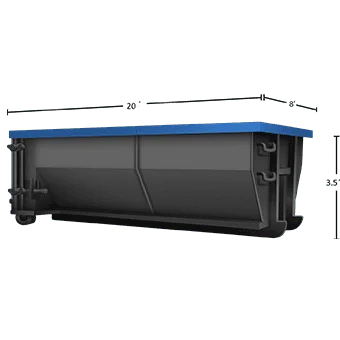
Start with material and origin
List the waste types and the work that produces them. Identify dense material, liquids, batteries, appliances and anything uncertain separately. Do not put suspect items into a general mixed-load description and expect the provider to discover them later.
Distinguish a container from loading labor
Say whether people on site will sort and load the material or whether separate labor is needed. A container-and-haul proposal should not be read as a property-clearance service. Ask what work is actually offered and keep unprovided tasks visible.
Review the address and applicable arrangement
Identify the property controller, proposed placement and truck approach. Ask about collection eligibility, material acceptance and any applicable public-space requirements. A nearby disposal facility or household collection account does not establish permission for every temporary-container service.
Keep the cleanup finish separate from pickup
Confirm the accepted load and collection process before scheduling subsequent work around removal. Maintain the required access and report changes. If workers also need restrooms, give that request its own users, position and service scope.
Questions before you book
Does a dumpster request include people to clear the property?
Do not assume it does. Identify sorting, loading and hauling as separate tasks and confirm the offered scope.
Can any unwanted item go into the proposed container?
No. Obtain material-specific acceptance and a separate answer for uncertain or restricted items.