
Identify the bicycles before choosing the trail connection
Erie's parks guidance permits Class 1 and 2 e-bikes on Town-maintained multi-purpose, natural-surface and singletrack trails, while excluding Class 3 e-bikes from those trails. Ask participants which category they use rather than describing every bicycle as equivalent.
Check the actual route and its responsible operator. The town's stated rule is not a determination of every connecting road, privately managed path or facility outside its system.
Choose a stop the group can reach by an allowed route
If the proposed connection does not work for some participants, revise the route or meeting arrangement with the organizer before promising the stop. Do not direct riders across park turf or native grass to make a shortcut; Erie's guidance keeps bicycles on designated trails.
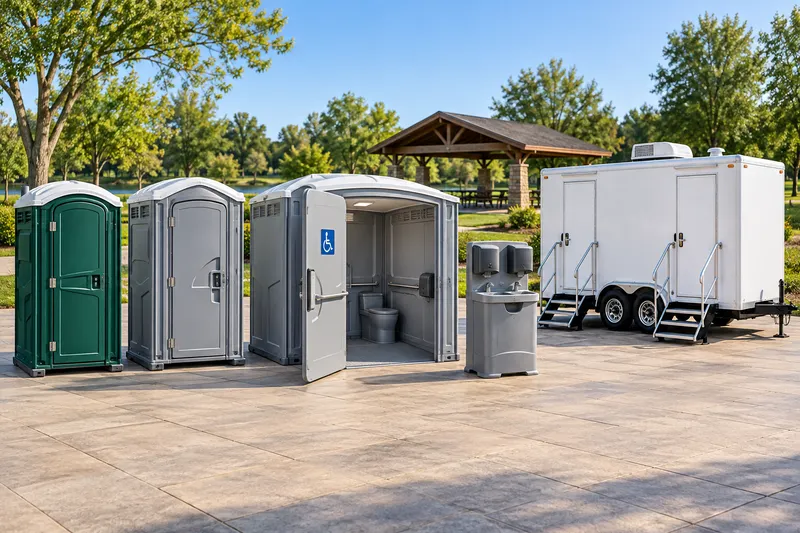
Separately confirm which toilets and washing facilities the group may use at the stop. Access along a trail does not establish permission to add rental equipment or exclusive use of an adjacent shelter.
Keep riding, walking and service directions separate
Give participants the confirmed riding approach and explain how they reach facilities on foot from an authorized stopping point. Do not treat dismounting as automatic permission to take a bicycle through an otherwise restricted area; ask the operator when the permitted connection is unclear.
For any approved temporary equipment, let the provider assess its vehicle route separately. A cycling itinerary is not a truck-access plan, and a rental confirmation does not override trail rules or establish that a ride is safe.
Questions before you book
Does a shelter reservation change which e-bikes may use a trail?
No such exception is established by the parks guidance. Check the actual trail rules rather than treating a shelter booking as permission for every bicycle type.
Can the service vehicle follow the group's trail directions?
Do not assume so. Equipment delivery and servicing need their own permitted, provider-reviewed access arrangement.