
Identify what the route depends on
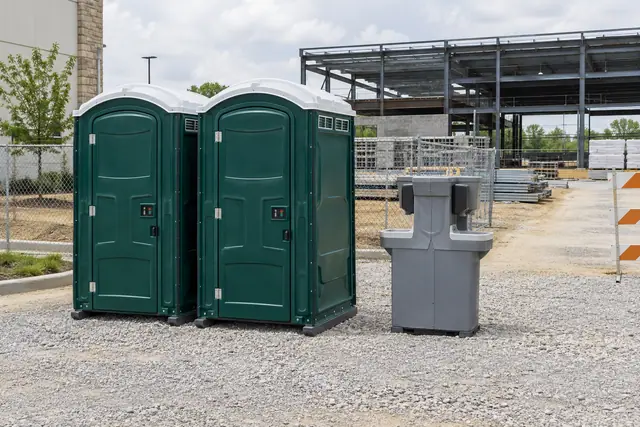
Show the provider the agreed entrance, the equipment position and any controlled access between them. Note if a temporary gate, surface or escort arrangement makes the route possible. Do not assume an ordinary vehicle's journey demonstrates service access.
Coordinate removal of surrounding site equipment
Tell the person removing barriers or storage which access must remain available for sanitation service and collection. Avoid trapping a unit behind materials stacked for return or changing a gate before the planned visit is complete.
Keep the pedestrian route separate
Workers finishing the job still need a usable approach to the toilet and washing facilities. Clearing machinery can introduce new moving-vehicle conflicts. Ask the site manager to review the layout rather than directing people through the pickup operation.
Report a changed condition before the vehicle arrives
Send current information if the surface, entrance or working space changes. Ask the provider what arrangement remains feasible. Do not drag the unit or improvise lifting equipment to solve a late access problem; coordinate a revised plan with the responsible parties.
Questions before you book
Should temporary access be removed as soon as building work ends?
Check which service and collection tasks still depend on it before changing the site.
Can workers move a toilet to free the gate?
Coordinate relocation with the provider and site manager. Do not assume the unit can safely be moved by the crew.